Baking

Baked Salmon (Foolproof, Flaky, and Done in 12 Minutes)

Tested & Loved ★ 100% Delicious ★
Baked Salmon (Foolproof, Flaky, and Done in 12 Minutes)

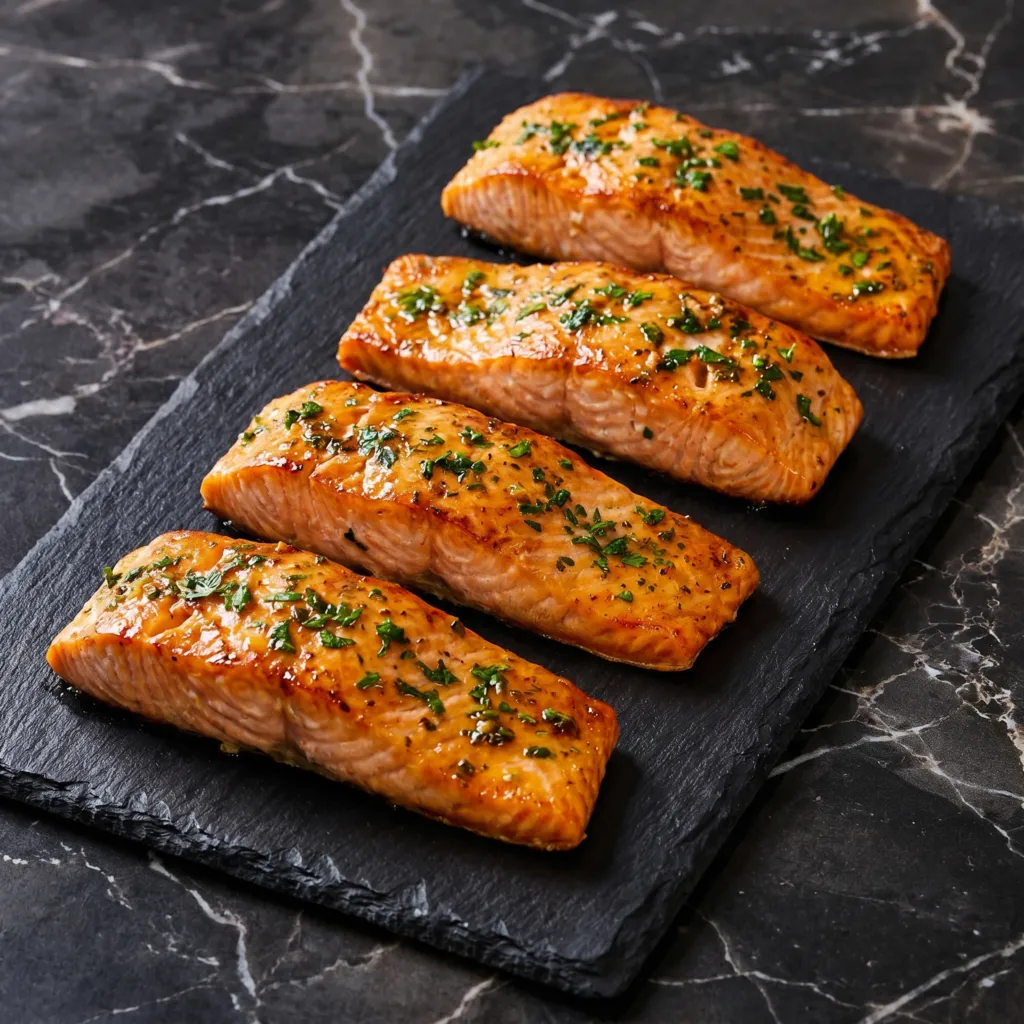
Whisk the olive oil with minced garlic, lemon juice and zest, and dill, then brush it over the fillets so the sides get coated too, not just the top. Salmon goes from raw to overcooked in about 90 seconds, so I pull it at 135°F and let carryover heat finish the job. At 400°F a 6-ounce fillet usually lands around the 11-minute mark, but thickness matters more than the clock. Watch for the flake.

By Nora Calloway

Baked salmon gets a bad reputation. Dry. Fishy. Overcooked. Not this one. This method is practically foolproof—a hot oven, a simple marinade, and a watchful eye. The result? Flaky, moist, buttery perfection that tastes like a restaurant but takes almost no effort.

Sheet pan. Parchment paper. Twelve minutes. Let’s go.

Step-by-Step Instructions

1

Preheat

Preheat oven to 400°F (200°C). Line a baking sheet with parchment paper.

2

Make the Marinade

In a small bowl, mix olive oil, garlic, lemon juice, lemon zest, dill, salt, and pepper.

3

Season the Salmon

Place salmon fillets on the baking sheet. Brush marinade generously over the top and sides.

4

Bake

Bake for 10-14 minutes, depending on thickness. Salmon is done when it flakes easily with a fork and internal temp reaches 135°F-140°F (57°C-60°C) for medium.

Do not overbake. It will continue cooking slightly after coming out.

5

Serve

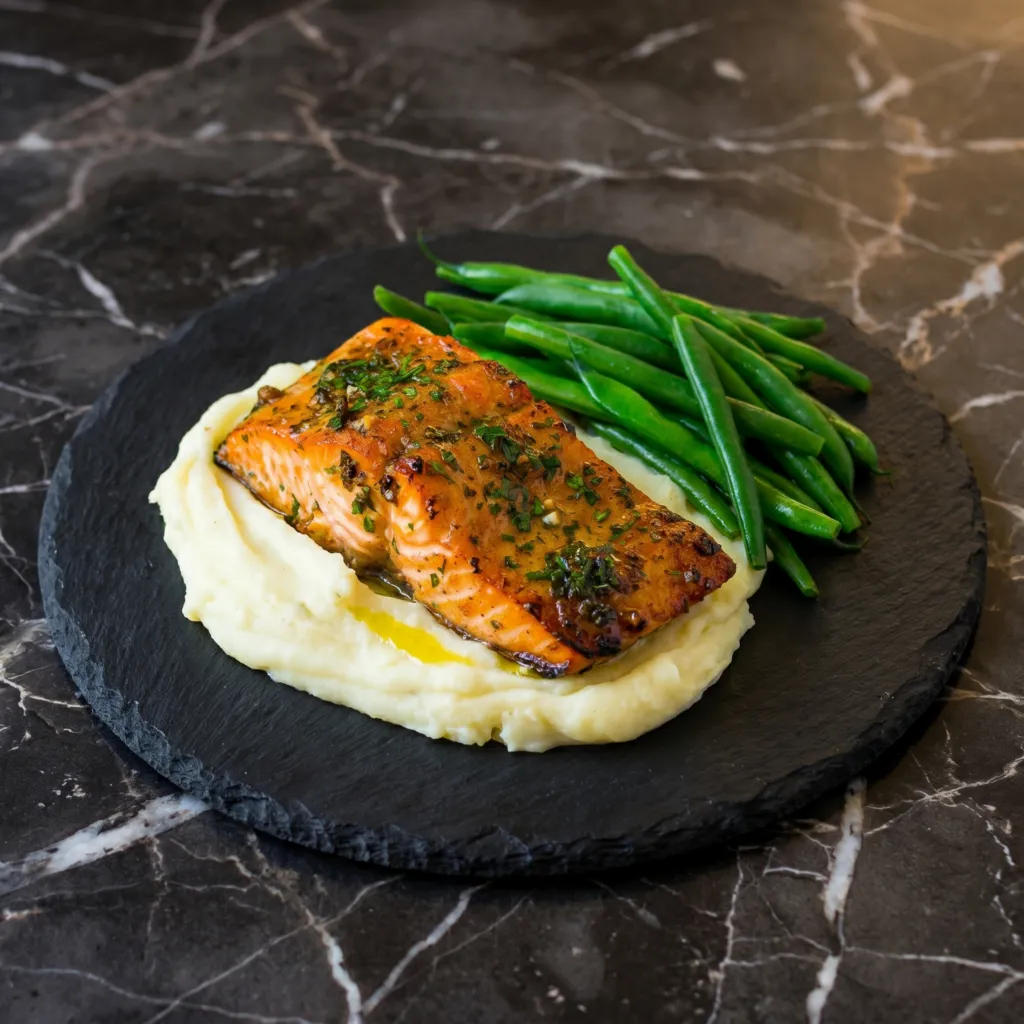
Top with fresh lemon slices and extra dill. Serve with rice, roasted veggies, or a crisp salad.

Summary

Prep Time: 5 minutes | Cook Time: 12 minutes | Total Time: 17 minutes

Yield: 2 servings

Difficulty: Easy

Storage Notes

How to Store Leftovers:

Refrigerate in an airtight container for up to 3 days. Eat cold over salads or gently reheat in a 275°F oven for 5-10 minutes. The microwave will make it dry and sad—avoid.

Pro Tip:

For extra insurance against dryness, bake salmon at 375°F instead of 400°F. Add 2-3 minutes to cook time. Gentler heat = juicier fish.

Swaps & Substitutions

Questions & Answers

How do I know when it's done without a thermometer?

Press the thickest part with a fork and twist gently. If it flakes and the flesh has gone from translucent to opaque, it's there. A thermometer pulling at 135°F is more reliable, but the flake test works.

Why did mine come out dry?

Almost always overbaking. Salmon keeps cooking after it leaves the oven, so pull it a few degrees before your target and let it rest. Thinner tail-end fillets also cook faster than the thick center cut.

Can I make the marinade ahead?

Yes, whisk it up to a day ahead and keep it covered in the fridge. I'd only brush it onto the fish right before baking though, since the lemon juice starts to firm up the surface if it sits too long.

Do I need the parchment paper?

It saves you the scrubbing and keeps skin from sticking. Foil with a light coat of oil works too. A bare sheet is fine if you oil it well, but cleanup is rougher.

What goes with this?

Rice, roasted vegetables, or a simple salad all hold up to the lemon and dill. I lean toward something starchy to soak up the oil and juices left on the parchment.

More from the Recipe Box

Craving more delicious recipes?

Subscribe to our newsletter and get our favorite weekend recipes delivered to your inbox every Friday morning.